All posts by admin

Top 5 Reasons to Rent a Floating Dock

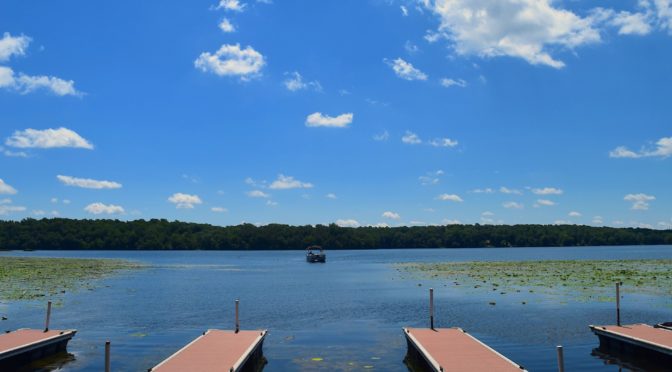
A lot of individuals want to use a floating dock for a special occasion, but don’t necessarily need a permanent setup. Dock rentals can offer a great solution. With a temporary installation, you get the best of both worlds—a custom waterfront setup without the long-term commitment.

Whether you’re looking to rent a floating dock for work or play, an experienced waterfront services company can help you out with everything from dock design to installation. Rental options can range from one day to a full year. No matter what the occasion is, there are plenty of floating dock options to meet your needs.

Best Uses for a Dock Rental

1. Vacation Property Floating Docks

For property owners, renting a dock can be fantastic, near-instant upgrade. Dock rentals for cabins and other vacation homes are an easy way to get the waterfront access you and your guests love. And the best part? You only have the dock when you want to use it!

Dock rentals also offer an added bonus to property owners who rent their space out to other vacationers while they aren’t there. Listings with private floating docks can offer big perks to potential guests. Being able to say you have a private floating dock on the lake means that water sports enthusiasts can use their own boat, personal water craft, or kayak while vacationing at your place.

2. Temporary Installations for Waterfront Races

Marinas love to rent docks for their one-day or weekend events. Whether it’s a rental dock for a swimming competition or some other rowing other boating activity, a temporary install can help you run the event flawlessly without the long-term investment.

The best floating docks come with a modular setup that makes renting cost-effective too. Because it’s easy to customize your setup, both your walkway and your dock can be constructed to meet all of your needs for the race participants and management crew. Just rent whatever dock pieces you need, and you’ll be able to have plenty of space to walk around or dry-dock for a safe and professional event.

3. Marine Research Dock Rentals

Other users might need a floating dock for science. Conducting waterfront research and trying to collect data can be tricky without a steady surface. A temporary dock installation is a great way to get the waterfront access you need on a river, lake, or pond.

Marine researchers all across the country depend on strong docking systems to do their work efficiently. You can even change the configuration to accommodate your research area, or move the modular sections as need be throughout the testing. Just talk to your dock rental expert to help you design the right setup for your project. The right dock setup can give you everything you need—from a basic diving platform to a large, floating barge.

4. Summer Camp Floating Docks

Modular plastic floating docks have a lot of benefits for safety-conscious summer camps. The sturdy polyethylene surface is a great upgrade on the old classic wood docks, and renting can be a lot most cost effective than replacing an outdated setup.

Renting is a great way to keep your warranty up to date too—especially when for docks that get heavy use just a couple months out of the year. For both boating and swimming, plastic dock rentals give summer camps the durability they want and the safety features they need. An EZ Dock rental system, for example, comes with textured, non-skid surfaces. Plus, you can place them wherever you want. With seasonal rentals, it’s easy to switch up your lake dock layout from year to year. The temporary installs are made to be as versatile as all of your camp activities and campers.

5. Dock Rentals for Weddings & Family Gatherings

Floating docks probably get their best use as rentals with special events. Waterfront weddings are especially memorable when the vows can be said right over the water. Whether the event is for a large wedding party, a family reunion, or another big group gathering, a rental dock can help make those moments shine.

We think the EZ Dock setup makes for the best floating dock wedding option because their products are known for their durability and slip-resistant surfaces. The firmness of the molded plastic material and the unique coupler system helps guests can feel comfortable throughout the entire event—no matter what the occasion might be. Why stay on shore when you can get right above the water? Floating docks are the perfect way to enjoy the water, but still stay dry!

If you have questions about renting a floating dock for your next event, please feel free to reach out. At Deaton’s Waterfront Services, we’re always happy to consult on custom projects. We’ve got the right dock system for just about any rental setup!

What’s the Best Material for My Dock?

There’s a lot to think about for a new dock structure. As with any new building project, you want to consider the material’s cost and durability to make sure it’s worth your investment. This decking material overview can help point you in the right direction—whether you’re on a budget, or just focused on performance and upkeep.

Floating Dock vs. Stationary Dock

Knowing your water table’s depth is one of the first steps in the deck design process. High flow areas typically use floating docks. Those systems require a special installation process with framing to keep the dock stable year-round. Lower water zones (depths about 10 feet or less) often use stationary docks. If your water table fluctuates higher than that, you’re probably better off with a custom floating dock.

Project costs can vary based on the type of dock system you need. So when comparing deck materials, it’s important to remember their application. Each material has its own benefits, but you might prefer one style over another depending on your dock type and how the end result will look.

Decking Material for Docks

Concrete

This material is typically only used for floating docks—so if you need a stationary dock, feel free to skip ahead. The maintenance required for wood decking doesn’t always sound appealing, and concrete offers a solution. Because there’s no chance of it rotting, these types of floating docks often boast a much longer life-span.

Pros: Concrete dock setups are really solid. Even in stormy weather and high waters, a concrete deck is going to feel level. Plus, they won’t put the marine ecosystem in danger. Unlike treated wood, concrete can’t release any toxins into the water.

Cons: Of course, concrete may not be for everyone. Because it’s built to be tough, concrete may not be as “attractive” as other decking materials. That might be perfectly fine for commercial or industrial use, but if you want a dock to lounge around on, you might be better off with another option.

Composite

Made from a combination of wood fibers and plastic, composite decking tries to give docks the best of both worlds. These materials tend to last longer and require less maintenance than regular wood, yet still come up cheaper than aluminum decking.

Pros: Composite gives you the look of wood without the upkeep. You still get the appeal of a natural wood grain style for your deck, but there’s no need to stain it every few years. Composite can be a great middle-ground if you want a classic look with a little more durability.

Cons: Composite decking needs to be washed occasionally to prevent mildew stains—especially if the dock is in a shady area. The wood fibers in some types of composite material can start to decay if they’re not properly cared for.

PVC

PVC decking is a light-weight option for both floating and stationary docks. The plastic polymer is gaining new fans in the waterfront industry because it’s easy to clean and has great options for non-slip deck surfaces.

Pros: This material puts an end to all the major maintenance worries. It’s completely mold- and mildew-resistant (unlike wood and certain composites) and won’t even fade in the sun. With PVC, what you see is what you get. No staining or re-painting required.

Cons: On the flip side, PVC decking can end up being more expensive than a composite material. It also comes with that plastic feel underfoot. It’s great if you don’t want your dock to get too hot, but the hollow PVC versions can also feel less sturdy than say, a concrete platform.

Aluminum

As another low-maintenance decking option, aluminum is often the material of choice for dock owners who want versatility. Aluminum can be left plain or powder coated. The coating options are long-lasting and some can even get the aluminum decking to resemble wood.

Pros: As with PVC, aluminum decking won’t decay. As an added bonus, aluminum won’t warp or twist. The lightweight panels have an excellent durability rating and can be easily removed whenever the dock frame needs to be inspected.

Cons: Similar to concrete, going with aluminum might be better choice for industrial or commercial dock needs. It’s expensive, and applying a powder coat can also add to the dock cost. But in the end, aluminum might still be worth it because it doesn’t require regular maintenance.

ThruFlow

The unique panel design of ThruFlow decking systems lets sunlight pass right through the dock surface so marine environments can still get the sunrays they need to thrive. For the environmentally-conscious, a ThruFlow setup is often the way to go.

Pros: The grated decking structure helps keep dock surfaces dry. Water and sunlight can move through the dock with ease, and the anti-slip surface makes it a safe choice for all types of waterfront activities.

Cons: ThruFlow docks are low-maintenance like aluminum and PVC decking, but they too come with some setbacks. Their grated design openings, although narrow, can mean that a dropped key or fishing lure might be gone for good—at the bottom of the water.

EZ Dock

An EZ Dock system doesn’t use any fillers or foam to stay afloat. The thick polyethylene sections and unique chamber design keep the dock sections buoyant and stable in all types of weather. These docks come with non-skid textures and have grooves molded into each section. You get great footing on deck—even when the surface is wet.

Pros: Modular dock sections give you an easy way to change your setup. Even if you want to stay small now, you’ll have the option to expand or reconfigure your dock down the road.

Cons: Some dock owners may still prefer a wooden deck’s aesthetic, but we like EZ Dock because it combines low-maintenance with long-lasting durability. What else is there to critique? It’s kind of win-win dock setup.

Whether you’re looking to install a new dock or need an upgrade on your current setup, choosing the right decking material is key. Different materials have inherently different benefits, but once you’ve weighed the options you’ll be ready to start planning for your project.

If you have further questions about the best decking materials for Indiana lakes and marinas, please don’t hesitate to contact us. At Deaton’s Waterfront Services, we’re always happy to provide a free consultation for your dock design or new installation.